What are the benefits of DIY mold removal?
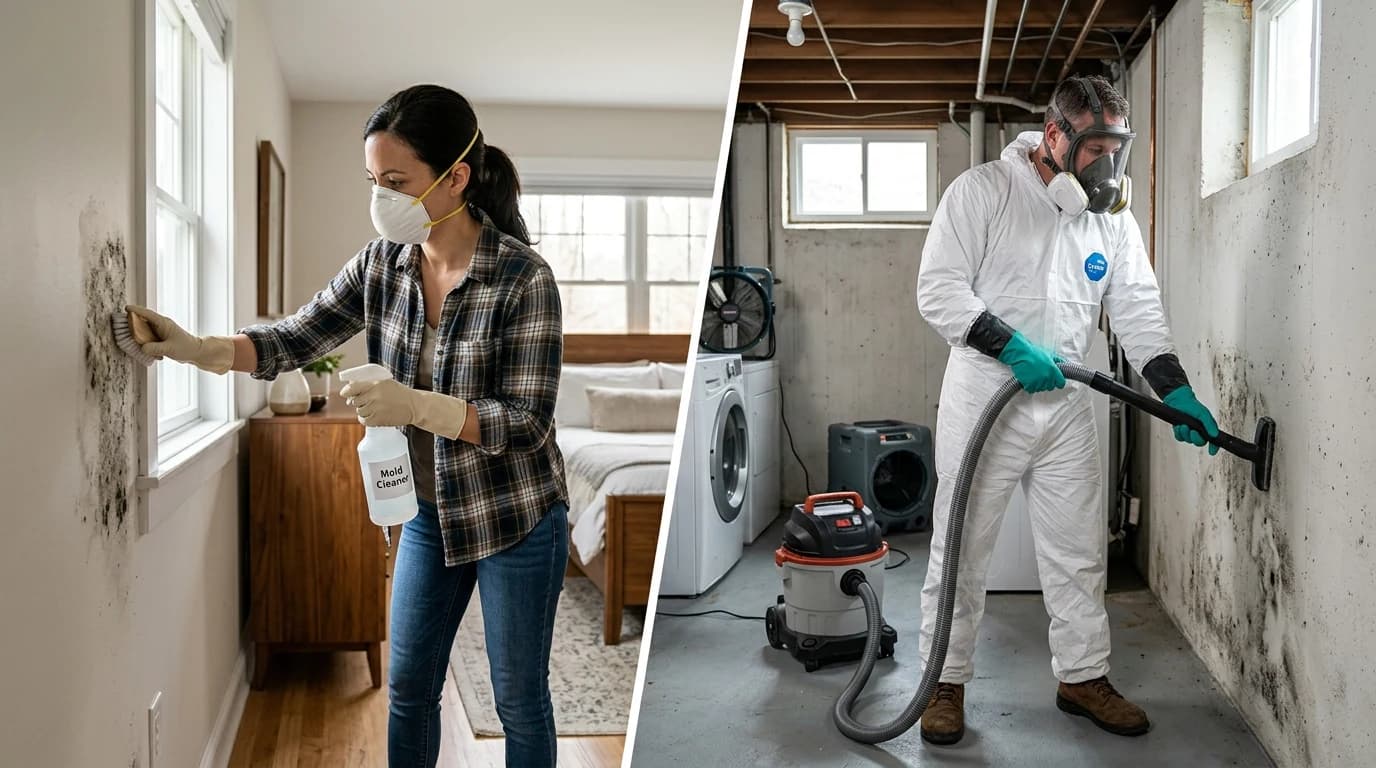
DIY mold removal can be cost-effective for small, surface-level mold issues. Using household items like vinegar or baking soda can be a temporary solution. However, it requires diligence and proper safety measures to avoid health risks. For small projects, DIY can be feasible if you are cautious about the potential spread of spores.
To start, assess the affected area thoroughly. If the mold covers less than 10 square feet, you might attempt to clean it yourself. Equip yourself with protective gear, including gloves, goggles, and a mask to prevent inhaling spores. Begin by scrubbing the moldy surface with a mixture of one cup of bleach to a gallon of water, or use undiluted vinegar for a more natural approach. Ensure the area is well-ventilated to minimize inhalation risks.
While DIY methods can address surface mold, they often fail to tackle underlying issues such as moisture control. Mold thrives in damp environments, so identifying and mitigating the source of moisture is crucial. This might involve fixing leaks, improving ventilation, or using dehumidifiers. Regular monitoring and maintenance can prevent mold from reappearing, but be prepared to call in professionals if the problem persists or worsens.
To start, assess the affected area thoroughly. If the mold covers less than 10 square feet, you might attempt to clean it yourself. Equip yourself with protective gear, including gloves, goggles, and a mask to prevent inhaling spores. Begin by scrubbing the moldy surface with a mixture of one cup of bleach to a gallon of water, or use undiluted vinegar for a more natural approach. Ensure the area is well-ventilated to minimize inhalation risks.
While DIY methods can address surface mold, they often fail to tackle underlying issues such as moisture control. Mold thrives in damp environments, so identifying and mitigating the source of moisture is crucial. This might involve fixing leaks, improving ventilation, or using dehumidifiers. Regular monitoring and maintenance can prevent mold from reappearing, but be prepared to call in professionals if the problem persists or worsens.
When should you consider professional mold removal?
Professional mold removal is recommended for extensive mold growth or if mold is suspected in hard-to-reach areas like inside walls. Experts have specialized equipment and knowledge to handle large infestations safely. Contacting a professional service in Ho-Ho-Kus ensures thorough remediation and peace of mind.
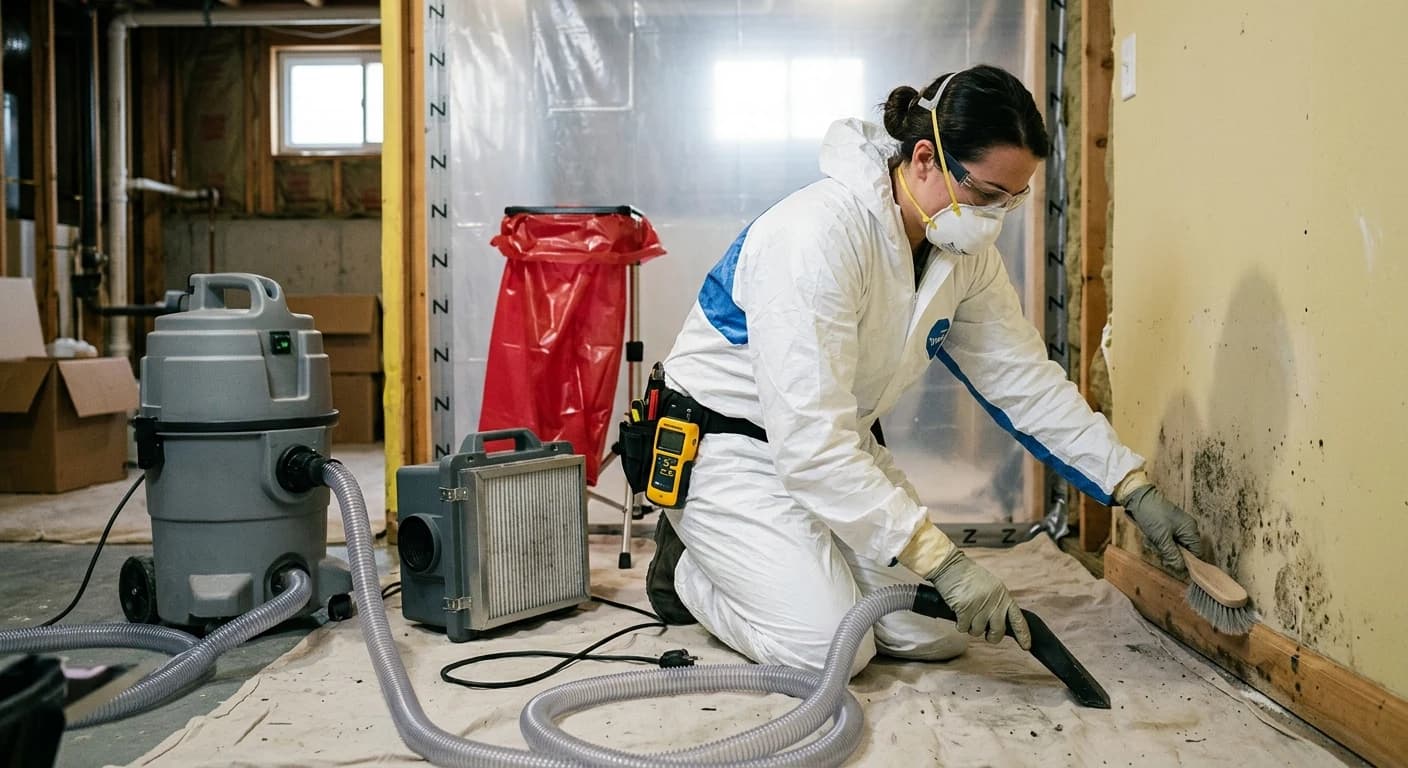
Professionals utilize advanced techniques such as HEPA vacuuming and antimicrobial treatments to eliminate mold and prevent recurrence. They can also perform air quality tests to determine the extent of contamination and identify hidden mold sources. This comprehensive approach not only removes visible mold but also addresses potential health hazards associated with mold spores.
Hiring a professional is particularly crucial if you or your family members have allergies, asthma, or other respiratory issues, as mold can exacerbate these conditions. Moreover, professionals can provide valuable advice on mold prevention strategies, including proper ventilation, humidity control, and regular inspections.
In New Jersey, where humidity levels can fluctuate seasonally, professional intervention ensures that mold is thoroughly eradicated and that your home remains a safe environment. Consider reaching out to a local expert if you're unsure about the severity of your mold problem. For more information, visit our services page to learn about the solutions we offer.
Professionals utilize advanced techniques such as HEPA vacuuming and antimicrobial treatments to eliminate mold and prevent recurrence. They can also perform air quality tests to determine the extent of contamination and identify hidden mold sources. This comprehensive approach not only removes visible mold but also addresses potential health hazards associated with mold spores.
Hiring a professional is particularly crucial if you or your family members have allergies, asthma, or other respiratory issues, as mold can exacerbate these conditions. Moreover, professionals can provide valuable advice on mold prevention strategies, including proper ventilation, humidity control, and regular inspections.
In New Jersey, where humidity levels can fluctuate seasonally, professional intervention ensures that mold is thoroughly eradicated and that your home remains a safe environment. Consider reaching out to a local expert if you're unsure about the severity of your mold problem. For more information, visit our services page to learn about the solutions we offer.
How do costs compare between DIY and professional services?
While DIY might seem cheaper initially, hidden costs can arise from improper handling and recurring issues. Professional services may have a higher upfront cost, but they offer comprehensive solutions that prevent future problems. Consider the long-term benefits and safety when choosing between DIY and professional mold removal.
The cost of DIY mold removal typically involves purchasing cleaning supplies, protective gear, and potentially renting equipment like dehumidifiers. These expenses can add up, especially if the mold returns due to inadequate removal or if the source of moisture isn't addressed.
Professional mold removal costs can vary based on the extent of the infestation, the size of the affected area, and the methods required for effective remediation. On average, homeowners might spend anywhere from $500 to $6,000, depending on these factors. While this might seem steep, it often includes a thorough inspection, removal, and preventative measures that DIY methods lack.
Additionally, professional services often provide warranties or guarantees, offering peace of mind that the mold will not return. This can be a significant advantage, particularly if you're planning to sell your home, as it reassures potential buyers about the property's condition.
Ultimately, the decision between DIY and professional services should consider not only the immediate financial outlay but also the potential health risks and future costs associated with mold re-growth. Investing in professional help can be a wise decision if it ensures a mold-free, healthy living environment for you and your family.
The cost of DIY mold removal typically involves purchasing cleaning supplies, protective gear, and potentially renting equipment like dehumidifiers. These expenses can add up, especially if the mold returns due to inadequate removal or if the source of moisture isn't addressed.
Professional mold removal costs can vary based on the extent of the infestation, the size of the affected area, and the methods required for effective remediation. On average, homeowners might spend anywhere from $500 to $6,000, depending on these factors. While this might seem steep, it often includes a thorough inspection, removal, and preventative measures that DIY methods lack.
Additionally, professional services often provide warranties or guarantees, offering peace of mind that the mold will not return. This can be a significant advantage, particularly if you're planning to sell your home, as it reassures potential buyers about the property's condition.
Ultimately, the decision between DIY and professional services should consider not only the immediate financial outlay but also the potential health risks and future costs associated with mold re-growth. Investing in professional help can be a wise decision if it ensures a mold-free, healthy living environment for you and your family.
Understanding Mold Types and Their Risks
Before deciding between DIY and professional mold removal, it's crucial to understand the types of mold you might encounter and their associated risks. Common household molds include Cladosporium, Penicillium, and Aspergillus, which can cause allergic reactions and respiratory issues. However, the notorious black mold, Stachybotrys chartarum, is particularly concerning due to its potential to produce mycotoxins, which can lead to severe health problems.
Identifying the type of mold is not always straightforward, as it requires specialized testing. However, visible characteristics can provide clues. For example, black mold is often dark green or black and thrives in constantly damp areas. If you suspect black mold, it's advisable to consult professionals due to the health risks involved.
Understanding mold types helps in assessing the severity of the infestation and the urgency of removal. While some molds can be managed with DIY efforts, others, especially those with health implications, necessitate professional intervention. This knowledge is essential for making informed decisions about mold removal and ensuring the safety of your household. If you're in NJ and unsure about the mold type, local experts can provide guidance and testing services to determine the best course of action.
Identifying the type of mold is not always straightforward, as it requires specialized testing. However, visible characteristics can provide clues. For example, black mold is often dark green or black and thrives in constantly damp areas. If you suspect black mold, it's advisable to consult professionals due to the health risks involved.
Understanding mold types helps in assessing the severity of the infestation and the urgency of removal. While some molds can be managed with DIY efforts, others, especially those with health implications, necessitate professional intervention. This knowledge is essential for making informed decisions about mold removal and ensuring the safety of your household. If you're in NJ and unsure about the mold type, local experts can provide guidance and testing services to determine the best course of action.
Preventative Measures to Avoid Mold Growth
Preventing mold growth is a proactive approach that can save time and money in the long run. Mold thrives in damp, humid environments, so controlling moisture is key. Start by addressing any leaks in roofs, pipes, or windows promptly. Ensure that areas prone to moisture, such as bathrooms and basements, are well-ventilated. Installing exhaust fans and using dehumidifiers can significantly reduce humidity levels.
Regular cleaning and maintenance are also crucial. Keep gutters clean to prevent water accumulation and ensure that your home’s exterior grading directs water away from the foundation. In areas like Ho-Ho-Kus, where seasonal humidity varies, monitoring indoor humidity levels is particularly important. Aim to keep these levels below 60% to discourage mold growth.
Additionally, consider using mold-resistant products during renovations. Mold-resistant drywall and paints can be effective in moisture-prone areas. Regular inspections, especially in hidden areas like attics and crawl spaces, can help catch mold issues early before they become significant problems.
By implementing these preventative measures, you can maintain a healthier home environment and reduce the likelihood of needing extensive mold remediation in the future. Prevention not only protects your property but also ensures the well-being of your family by minimizing exposure to harmful mold spores.
Regular cleaning and maintenance are also crucial. Keep gutters clean to prevent water accumulation and ensure that your home’s exterior grading directs water away from the foundation. In areas like Ho-Ho-Kus, where seasonal humidity varies, monitoring indoor humidity levels is particularly important. Aim to keep these levels below 60% to discourage mold growth.
Additionally, consider using mold-resistant products during renovations. Mold-resistant drywall and paints can be effective in moisture-prone areas. Regular inspections, especially in hidden areas like attics and crawl spaces, can help catch mold issues early before they become significant problems.
By implementing these preventative measures, you can maintain a healthier home environment and reduce the likelihood of needing extensive mold remediation in the future. Prevention not only protects your property but also ensures the well-being of your family by minimizing exposure to harmful mold spores.
Evaluating the Severity of Your Mold Problem
Before deciding on a DIY or professional approach, it's essential to accurately assess the severity of your mold issue. Start by examining the size and location of the mold growth. Mold that covers less than 10 square feet is generally manageable with DIY methods, as long as it's not in a sensitive area like HVAC systems or behind walls. However, if the mold is widespread or in difficult-to-access places, professional intervention is recommended.
Consider the type of surfaces affected. Porous materials like drywall, carpet, or ceiling tiles can retain mold spores even after cleaning, making them more challenging to remediate without professional help. Non-porous surfaces, such as tiles or glass, are easier to clean and less likely to harbor mold long-term.
It's also crucial to evaluate potential health impacts. If anyone in your household has respiratory issues, allergies, or a weakened immune system, professional removal is safer to ensure thorough eradication of mold spores. Additionally, if you've attempted DIY removal but the mold keeps returning, it might indicate a hidden moisture problem that requires professional expertise to resolve.
By carefully assessing these factors, you can make a more informed decision about whether to tackle mold removal yourself or call in a professional. This evaluation will help you address the problem effectively and ensure a healthy living environment.
Consider the type of surfaces affected. Porous materials like drywall, carpet, or ceiling tiles can retain mold spores even after cleaning, making them more challenging to remediate without professional help. Non-porous surfaces, such as tiles or glass, are easier to clean and less likely to harbor mold long-term.
It's also crucial to evaluate potential health impacts. If anyone in your household has respiratory issues, allergies, or a weakened immune system, professional removal is safer to ensure thorough eradication of mold spores. Additionally, if you've attempted DIY removal but the mold keeps returning, it might indicate a hidden moisture problem that requires professional expertise to resolve.
By carefully assessing these factors, you can make a more informed decision about whether to tackle mold removal yourself or call in a professional. This evaluation will help you address the problem effectively and ensure a healthy living environment.
Choosing the Right Professional Mold Removal Service
When opting for professional mold removal, selecting the right service is crucial to ensure effective remediation. Begin by researching local companies with strong reputations, preferably those with certifications from organizations like the Institute of Inspection, Cleaning and Restoration Certification (IICRC). Certified professionals are more likely to employ industry-standard practices and ensure comprehensive mold removal.
Ask for detailed quotes from multiple companies to compare services and pricing. A reputable service should offer a thorough inspection and provide a clear plan for remediation, including the methods they will use and the expected timeline. Be wary of companies that offer quotes without inspecting the property, as mold issues can vary significantly in complexity.
Check for customer reviews and testimonials to gauge the company's reliability and customer satisfaction. It's beneficial to ask for references or case studies of similar projects they've handled, particularly if you're dealing with extensive mold issues.
Inquire about the company's follow-up procedures and guarantees. A reliable service should offer a warranty on their work, ensuring that if mold reappears within a certain period, they will address it without additional charges. This is particularly important in areas like New Jersey, where humidity can lead to recurring mold problems.
By choosing a professional service carefully, you can ensure a thorough and effective mold remediation process, safeguarding your home and health against future mold-related issues.
Ask for detailed quotes from multiple companies to compare services and pricing. A reputable service should offer a thorough inspection and provide a clear plan for remediation, including the methods they will use and the expected timeline. Be wary of companies that offer quotes without inspecting the property, as mold issues can vary significantly in complexity.
Check for customer reviews and testimonials to gauge the company's reliability and customer satisfaction. It's beneficial to ask for references or case studies of similar projects they've handled, particularly if you're dealing with extensive mold issues.
Inquire about the company's follow-up procedures and guarantees. A reliable service should offer a warranty on their work, ensuring that if mold reappears within a certain period, they will address it without additional charges. This is particularly important in areas like New Jersey, where humidity can lead to recurring mold problems.
By choosing a professional service carefully, you can ensure a thorough and effective mold remediation process, safeguarding your home and health against future mold-related issues.